What Egg White Protein Powder Actually Is
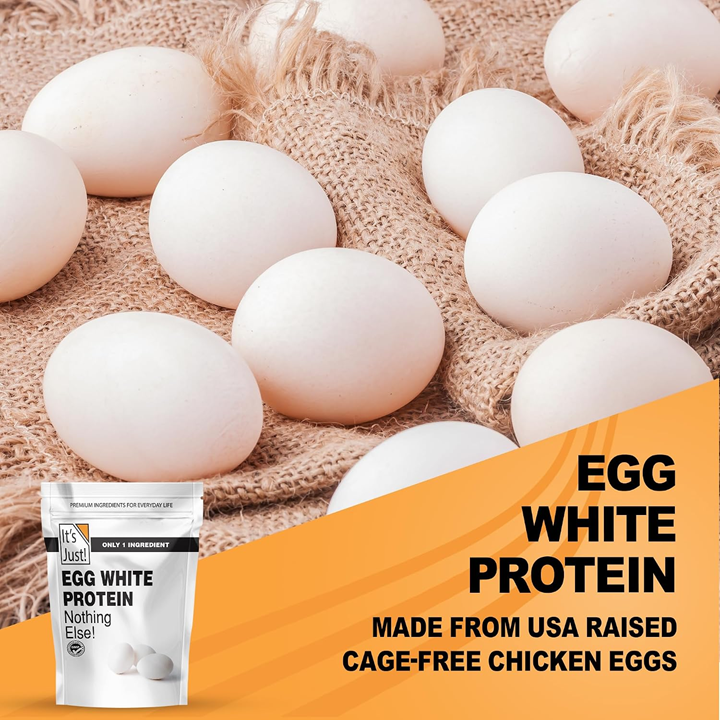
There’s something almost ancient about the egg, a small, whole thing that has nourished bodies since before protein powders existed at all.
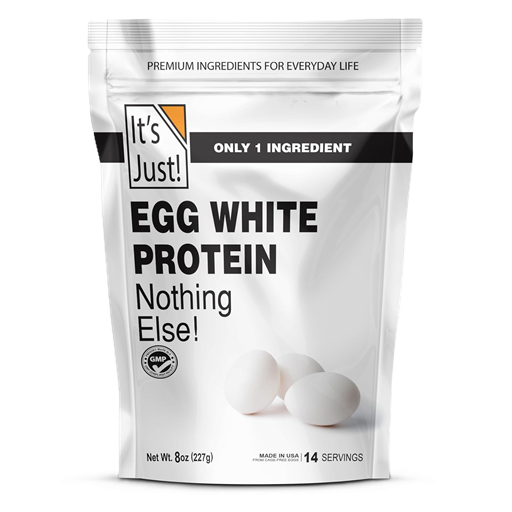
Egg white protein powder takes that same humble ingredient, dries and purifies it, and turns it into a fine powder carrying pure albumen protein.
No yolk, no fat, no cholesterol travels along for the ride, only the clean, nearly perfect protein that egg whites have always quietly offered.
For anyone who can’t tolerate dairy-based whey, or who simply wants a lighter, cleaner protein source, this is where the search often leads.
Why Egg Whites Have Earned Their Reputation
Bodybuilders and nutritionists have praised the egg white for decades, long before shaker bottles became a fixture in every gym bag.
Egg albumen carries a complete amino acid profile, meaning it holds all nine essential amino acids the body cannot manufacture on its own.
A Nutrition Profile Worth Noticing
A typical serving of egg white protein powder delivers around 24 grams of protein, with 0 grams of fat and 0 milligrams of cholesterol.
Carbohydrates stay low too, often around 4 grams per serving, with less than 1 gram of sugar, making it a quiet fit for low-carb lifestyles.
Digestion speed sits between fast whey and slow casein, offering a steady release of amino acids without the heaviness some dairy proteins bring.
For someone counting macros carefully, these numbers read like poetry of their own, clean lines with almost nothing wasted or extra.
Inside Jay Robb’s Egg White Protein Powder
Among egg white powders on the market, Jay Robb’s version has built a devoted following, known for its simple, honest ingredient list.
The protein is flash-pasteurized, a gentler process meant to preserve quality without the added heat that can degrade delicate proteins over time.
It comes in vanilla, chocolate, strawberry, and unflavored options, giving people room to choose based on how they plan to use it daily.
Ingredients and What’s Left Out
The ingredient list stays short: egg albumen, natural flavors, and plant-based sweeteners like stevia leaf extract, rather than added sugar.
What’s missing matters just as much. No soy, no added sugar, no MSG, no casein, and no artificial ingredients appear anywhere on the label.
For anyone who has grown wary of long, unpronounceable ingredient lists, this kind of simplicity can feel like a small exhale of relief.
Flavor, Texture, and the Mixing Experience
Egg white protein has a reputation, not always flattering, for being harder to mix smoothly than whey, and this product works to soften that reputation.
Many users describe the vanilla flavor as pleasant and not overly sweet, blending well with milk, water, or even oats and yogurt.
Texture can still surprise first-time users, slightly thicker or foamier than whey, a small trade for the cleaner nutritional profile underneath.
Shaking thoroughly, or blending rather than stirring, tends to smooth out most texture complaints reported by newer users of the powder.
What Real Users Are Saying
Reviews for this product tend to gather around a few honest, recurring themes, worth hearing before deciding if it belongs in your kitchen.
The Praise
Many reviewers highlight easy digestion as a standout benefit, especially compared to whey products that once left them feeling bloated or heavy.
The natural flavor system draws consistent praise too, with people noting it tastes far less artificial than many mainstream protein powders.
Loyalty runs deep among long-time buyers, some describing years of repeat purchases and subscribing simply to avoid ever running out.
The Complaints
Price sits near the top of common concerns, since egg white protein typically costs more per serving than standard whey concentrate options.
A smaller number of users mention an eggy aftertaste in the unflavored version, more noticeable when mixed with only water.
Availability of specific flavors can also fluctuate, leaving some loyal customers waiting for restocks of their preferred variety.
Egg White vs. Whey vs. Plant Protein
Choosing a protein powder often comes down to comparing a few honest trade-offs between the most common options on the shelf.
| Factor | Egg White | Whey | Plant-Based |
|---|---|---|---|
| Dairy-Free | Yes | No | Yes |
| Digestion Speed | Moderate | Fast | Slower |
| Amino Profile | Complete | Complete | Often incomplete alone |
| Typical Cost | Higher | Moderate | Moderate to high |
| Common Allergen | Egg | Milk | Varies by source |
No single option wins for everyone. The right choice depends on your allergies, budget, and how your own body responds to each source.
Who This Protein Powder Is Really For
This product tends to suit people who are lactose intolerant or dairy-sensitive but still want a complete, animal-based protein source.
Vegetarians who still eat eggs will find this fits comfortably into their diet, unlike whey derived from milk or plant proteins alone.
Vegans, however, should look elsewhere, since egg albumen is, by definition, an animal-derived ingredient unsuitable for a vegan lifestyle.
Anyone watching sugar or carbohydrate intake closely may also appreciate how little either shows up in a standard serving of this powder.
Safety, Allergens, and Who Should Be Cautious
Egg is a well-known allergen, and this product should be avoided entirely by anyone with a diagnosed egg allergy or sensitivity.
People managing kidney conditions or specific dietary restrictions related to protein intake should speak with a doctor before adding this powder.
As with any supplement, starting with a smaller serving and watching how your body responds is a sensible, unhurried way to begin.
Final Verdict: Is It Worth Bringing Home?
For anyone who has grown tired of dairy-based protein leaving them heavy and bloated, egg white protein offers a gentler alternative worth trying.
It costs more than standard whey, and the texture takes a little getting used to, but the clean ingredient list rarely disappoints.
Like the egg itself, humble and often overlooked, this powder does its quiet work well, without needing to shout about it.
Frequently Asked Questions
Is egg white protein powder good for weight loss?
Its low fat, low carb, high protein profile can support weight management goals, though overall diet and activity levels still matter most.
Can vegetarians use egg white protein powder?
Yes, most vegetarians who still consume eggs can comfortably include it, though strict vegans should choose a plant-based alternative instead.
Does egg white protein taste eggy?
Flavored versions like vanilla or chocolate mask most egg flavor well, while unflavored versions may carry a subtler eggy note for some people.
How does it compare to whey for muscle building?
Both offer a complete amino acid profile suited to muscle repair, so the better choice often comes down to digestion and dietary restrictions.
Is it safe to drink every day?
For most healthy adults without an egg allergy, daily use as part of a balanced diet is generally considered reasonable and well tolerated.
Important Notice: this content is informational, based on publicly available product data and user reviews, and does not replace medical advice.
Results vary from person to person. If you have a pre-existing health condition, an egg allergy, or take medication, consult your doctor first.
See Reviews and Pricing on Amazon
- What Egg White Protein Powder Actually Is
- Why Egg Whites Have Earned Their Reputation
- Inside Jay Robb’s Egg White Protein Powder
- Flavor, Texture, and the Mixing Experience
- What Real Users Are Saying
- Egg White vs. Whey vs. Plant Protein
- Who This Protein Powder Is Really For
- Safety, Allergens, and Who Should Be Cautious
- Final Verdict: Is It Worth Bringing Home?
- Frequently Asked Questions