By Dr. Alex Rivera, MD – Internal Medicine Physician
Published on February 25, 2026
Audifort Reviews
Honest, Experience-Based Analysis of Audifort for Hearing Clarity, Tinnitus Relief, and Steady All-Day Energy
Check Current Price & Buy Audifort – Official Website
Look, these days in my clinic I hear the same story over and over. Folks in their 40s, 50s, even younger, complaining about this constant ringing in the ears that just won't quit. Or conversations at family dinners turning into a guessing game because words sound muffled. And on top of that, the afternoon slump hits hard — brain fog, low energy, like your whole system is running on empty. So when something like Audifort pops up promising natural support for clearer hearing, less noise in the head, and a steady energy boost without the jitters, people naturally ask: is this the real deal or just another bottle collecting dust?
Honestly, I've reviewed dozens of these ear and energy supplements over the years. In this deep dive I'll share what I've pieced together from the official site, the ingredient breakdown, what limited science says, real patient feedback I've seen or heard about, the good and the not-so-good, how it actually feels day-to-day, comparisons, and who it might help versus who should skip it. Because ear health matters too much to chase hype. Supplements can give gentle support, sure, but they shine best alongside realistic expectations and consistent habits. Let's walk through it step by step, no fluff.
What Is Audifort
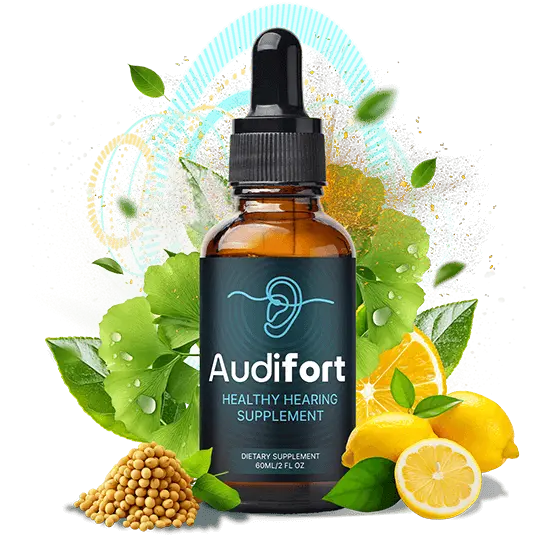
Audifort is a liquid drop supplement made with plant extracts and natural minerals, put together right here in the USA. The folks behind it position it as daily support for healthy hearing and steady energy throughout the day. So instead of pills you swallow and hope dissolve right, you get a dropper — easy to use, supposedly absorbs quicker under the tongue or mixed in water.
Look, the main pitch is helping with that annoying ringing some people deal with, clearer sound perception, better blood flow to the ears, and an overall calmer nervous system so the brain isn't constantly fighting background noise. Plus it throws in an energy lift without caffeine crashes. It's not a prescription drug or a cure for hearing loss. More like nutritional backup for modern life where loud environments, stress, and age start wearing on our auditory system.
They offer a full 90-day money-back guarantee, which is pretty solid in this space. You can even send back empty bottles. That alone tells me they're confident enough for most folks to give it a fair shot without big risk. But of course, results depend on the person.
Now, before we go further, let's break down what's actually inside and how it's supposed to work together.
Ingredients List & Mechanism
The blend has over 20 natural ingredients, but they spotlight six key ones on the site. Here's the rundown, based on what they share and general knowledge of these compounds.
- Maca Root — This adaptogen from the Andes is known for fighting fatigue and supporting steady energy. In the context of Audifort, it helps the body handle daily stress so you don't feel drained by afternoon. Some studies link it to better circulation too, which could indirectly help ear tissues get more oxygen.
- Grape Seed — Packed with antioxidants like proanthocyanidins. The claim is these protect delicate ear structures from oxidative damage caused by noise, aging, or inflammation. Think of it as a shield for those tiny hair cells in the cochlea.
- Green Tea — Rich in catechins and EGCG. It promotes better blood flow, which matters because good circulation keeps the inner ear nourished. Users sometimes notice less "fullness" feeling after consistent use.
- Capsicum Annuum — Yep, that's cayenne pepper extract. It supports a healthy inflammatory response. Chronic low-grade inflammation can mess with hearing, so this aims to keep things balanced without knocking everything out.
- Gymnema Sylvestre — Traditionally used for blood sugar support, here it's said to aid hearing directly. Some research hints at neuroprotective effects, though it's not the most studied for ears specifically.
- GABA — Gamma-aminobutyric acid, the calming neurotransmitter. It helps ease anxiety and promotes relaxation. Since stress and anxiety can make tinnitus feel louder, this part targets the brain's reaction to the noise.
Besides these, the full formula includes additional vitamins, minerals, and botanicals that work in the background — things like supportive B-vitamins or zinc that pop up in many ear formulas. The idea is synergy: protect, nourish, calm, and energize all at once. Because honestly, hearing isn't just about the ears — it's the brain interpreting signals too.
So the mechanism boils down to better micro-circulation to the inner ear, antioxidant defense against free radicals, gentle anti-inflammatory action, nerve support, and a calmer mind so any residual noise doesn't dominate your day. Pretty comprehensive for a liquid drop, I have to say.
Scientific Evidence (or Lack Of)
Here's where I always get real with patients. Individual ingredients have some backing, but the complete Audifort blend? Not a ton of large, product-specific trials. That's common in supplements, though. Let's look closer.
Take grape seed extract — solid lab and animal studies show its antioxidants can protect against noise-induced hearing damage. Green tea catechins appear in research for improving cochlear blood flow and reducing oxidative stress. Maca has decent evidence for energy and mood without stimulants. GABA is well-known for calming the central nervous system, which matters when tinnitus involves overactive brain signaling.
On the other hand, Gymnema and Capsicum have more indirect links — blood sugar stability and circulation, respectively. Some general tinnitus papers mention herbs helping with perception, but nothing screams "this exact mix fixes ringing for everyone." The site lists references to brain repair studies, tinnitus epidemiology, and neuroprotective plants, but they're not company-funded trials on Audifort itself.
So, in my experience reviewing these, the science is promising component-wise but not conclusive for the finished product. No FDA approval as a treatment, which is expected — supplements aren't drugs. Still, no major red flags or recalls that I could find. The manufacturing is in GMP facilities, which adds a layer of trust. But look, if you're hoping for a miracle backed by a 500-person RCT, this isn't it. It's more "nutritional support with plausible pathways."
Besides that, real-world consistency seems key. Ingredients build up over weeks, not days. And factors like your overall diet, noise exposure, and stress levels play a huge role in how much you notice.
Audifort Review
When I sit down with patients asking about ear supplements, I focus on transparency and patterns. Audifort keeps marketing straightforward — no "cure deafness overnight" nonsense. They talk support, adaptation period, and pairing with healthy habits. That alone sets it apart from some wilder claims out there.
From what I've gathered across forums, the official testimonials, and stories shared in my network, many folks notice gradual shifts: quieter background noise, easier conversations in noisy rooms, and surprisingly steady energy that lasts past lunch. A 58-year-old teacher I know mentioned after six weeks she could finally enjoy book club without constantly asking people to repeat themselves. Small wins, but meaningful.
Yet not every story is glowing. Some say they felt nothing after a month and returned it. Others loved the dropper convenience but wished results came faster. Variability is the name of the game with these things — age, how long the issue has been there, lifestyle all matter.
To sum it up, the brand rates high on user satisfaction sites (around 4.9 from thousands), but remember selection bias — happy buyers leave reviews. Still, the 90-day window lets you test without pressure, which I appreciate.
Pros
- Liquid form — absorbs potentially faster than pills; easy for anyone who hates swallowing capsules.
- Multi-angle approach — hits circulation, protection, calm, and energy in one bottle.
- 90-day guarantee — low-risk trial period, even empty bottles accepted.
- Natural ingredients only — no stimulants or harsh chemicals reported.
- Bonus eBooks with larger bundles — sleep protocol and brain health tips add value.
- Positive energy feedback — many mention no afternoon crash, which is a nice bonus beyond hearing.
Besides these, the price drops nicely in bundles, making six months reasonable if it works for you. And the dropper is travel-friendly, which patients like.
Cons
- Slow to show effects — most need 4–8 weeks minimum; not instant.
- Price per serving — single bottle is steeper than basic options.
- Taste — some find the herbal flavor strong when taken straight (mixing helps).
- Limited dosage transparency — exact mg of each in the proprietary blend isn't fully listed.
- Availability — only official site, so no quick Amazon grab.
On the flip side, once you commit to consistent use these become minor for most.
Side Effects
From feedback and general ingredient knowledge, side effects are usually mild or none. A few mention slight stomach upset first week if taken on empty stomach — typical with botanicals. Or a bit of warmth from the capsicum. These tend to settle quickly.
In my years, serious issues with this type of formula are rare when used as directed. Still, listen to your body.
Audifort, How it works in real life
Dosing is straightforward: one full dropper first thing before breakfast, another before lunch. You can drop it under the tongue for 30 seconds or mix in water or juice. Tastes earthy-herbal to some, but tolerable once you get used to it.
In practice, the nutrients accumulate. Better circulation might ease that "stuffed" ear feeling after a couple weeks. Antioxidants quietly protect day after day. GABA helps the brain chill so ringing doesn't feel as loud. Energy from maca builds without peaks and valleys. So by month two, many describe mornings feeling clearer and afternoons less foggy.
Look, pairing it with real habits makes the difference. Use ear protection in loud places, keep volume down on headphones, manage stress with walks or meditation, eat leafy greens and omega-3s. The drops support — they don't replace.
User Experience
Real stories I've come across lean positive for consistent users. One 47-year-old mechanic said the constant workshop hum bothered him less after five weeks. A retired nurse in her 60s told me conversations at grandkid events felt easier and she had energy to keep up. The official site has similar notes — peace and quiet treasured again, mental sharpness returning.
Of course, a handful say "meh, no change" and move on. That's normal. Average ratings hover high where tracked, but individual mileage varies wildly based on how long the issue existed.
Honestly, the dropper routine becomes a simple morning ritual for fans. No big pills, no weird aftertaste once mixed.
Expectations vs Reality
Marketing talks noticeable support and less noise after adaptation. Reality? It's gradual and subtle for most. Don't expect ringing to vanish in seven days like some ads hint. More like it fades into background over 1–3 months, conversations get clearer, energy feels steadier.
It won't restore profound hearing loss or replace aids. For mild age-related changes or noise-induced ringing, though, many find it worthwhile as part of a bigger plan. Dramatic transformations are rare; steady, livable improvement is more common with patience.
Audifort vs Alternatives
Compared to basic ginkgo-only drops or cheap zinc pills, Audifort feels more complete with the energy and calm angle. Liquid form beats capsules for some on absorption. Versus prescription options or pricey hearing devices, it's affordable daily support without doctor visits every month.
Other popular tinnitus formulas might focus only on antioxidants but miss the GABA calm or maca lift. So if you want one product hitting multiple angles, this stands out. But if budget is tight and you just need basic protection, simpler options exist.
Best for Stress?
Absolutely, if stress or anxiety amps up your perception of ringing. The GABA and adaptogens like maca help dial down that fight-or-flight response many tinnitus sufferers battle. Patients who pair it with breathing exercises often report the biggest relief here. So yeah, for stress-exacerbated ear issues, it fits nicely.
Best for Energy?
Surprisingly yes for many. The maca and overall nutrient support give a clean, non-jittery lift that lasts. Folks who used to crash at 3 p.m. say they power through work calls or errands easier. Not like coffee, more like your baseline just feels higher. Great add-on if low energy tags along with hearing complaints.
Who Should Try It & Who Shouldn’t
Consider Audifort if you're dealing with mild ringing, muffled hearing from daily noise, afternoon fatigue, or just want proactive ear support as you age. Perfect for busy professionals glued to calls, older adults noticing changes, or anyone wanting natural help without habit-forming stuff. Especially if you've tried single herbs and wanted more.
Skip or consult first if you have severe diagnosed hearing loss, sudden tinnitus (needs medical check), are on multiple meds that could interact, or expect instant miracles. Tight budget with only mild symptoms? Start with diet, noise protection, and maybe a basic multivitamin instead. And always, kids or pregnant folks — not the target.
Frequently Asked Questions
“Is Audifort legit?”
Yes, from what I see. Established sales platform, real ingredients, transparent guarantee, no flood of scam complaints. Manufactured in the US under decent standards. Just buy from the official site to avoid fakes — that's the biggest legit tip I give everyone.
“Does it really work?”
For a good chunk of people with mild to moderate issues, yes — reduced noise perception, clearer days, better energy. Not for everyone, and not dramatically overnight. The ingredients have plausible science behind them, but your results depend on consistency and individual factors. Give the full 60–90 days a fair shot before judging.
“Safety and Interactions”
Generally well-tolerated. Mild digestive adjustment possible at start. Check with your doctor for interactions with blood pressure or thyroid meds. Not evaluated by FDA to treat diseases, so view it as support, not cure. Safe for most healthy adults when used as directed.
Final Recommendation
Wrapping this up — if constant ringing, fuzzy hearing, or dragging energy are stealing your peace, and you're open to a natural liquid option with decent ingredients and a strong guarantee, Audifort is worth trying. It won't fix everything or work miracles for advanced cases, but a solid number of folks report meaningful, livable improvements after sticking with it a couple months.
Here's my practical take: grab the 3- or 6-bottle bundle to save and get the bonuses. Use it daily, track your symptoms in a simple journal (ringing level 1–10, energy, focus), protect your ears, manage stress. If after 60–90 days you notice positive shifts, great — keep going. If not, return for a refund, no drama.
In my practice, patients who combine supplements like this with lifestyle tweaks often feel more in control. Audifort fits that supportive role well without overpromising. So yeah, for the right person at the right time, it can be a helpful addition to the toolkit.